Infill Development

Rebuilding the Northside one lot at a time

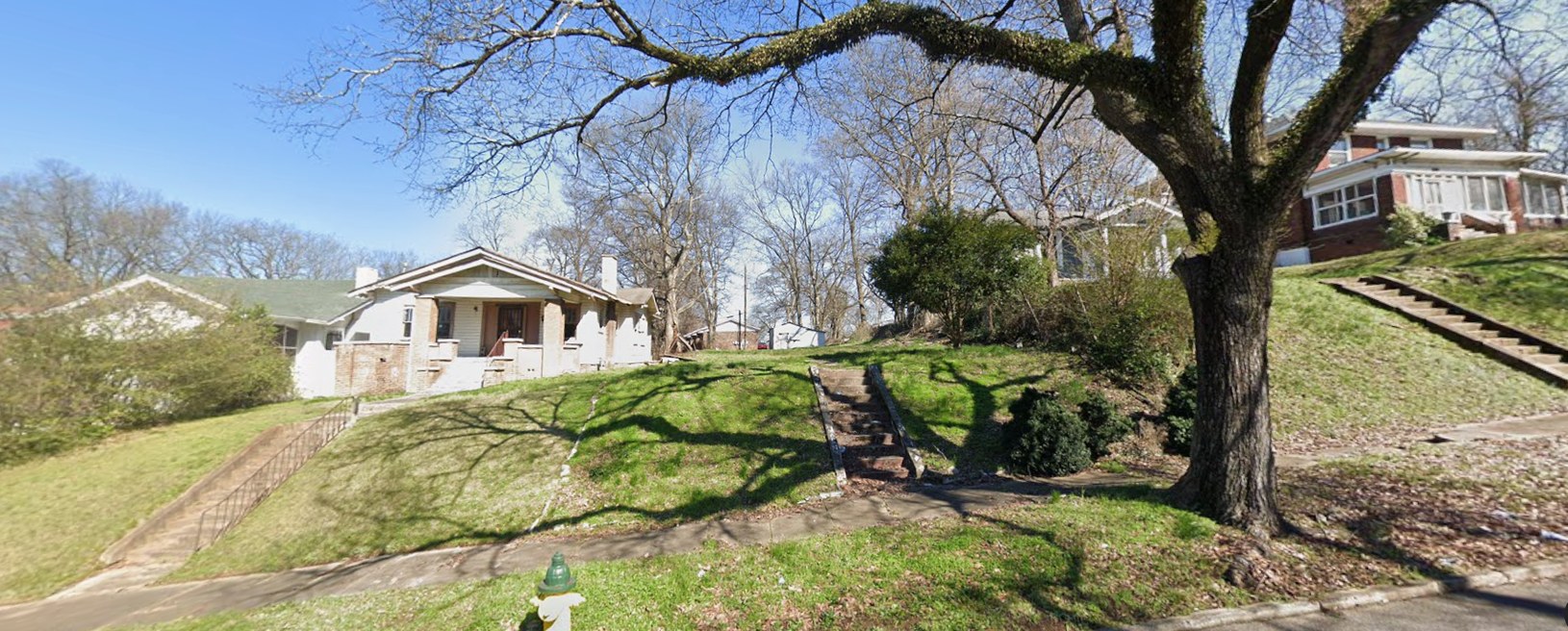
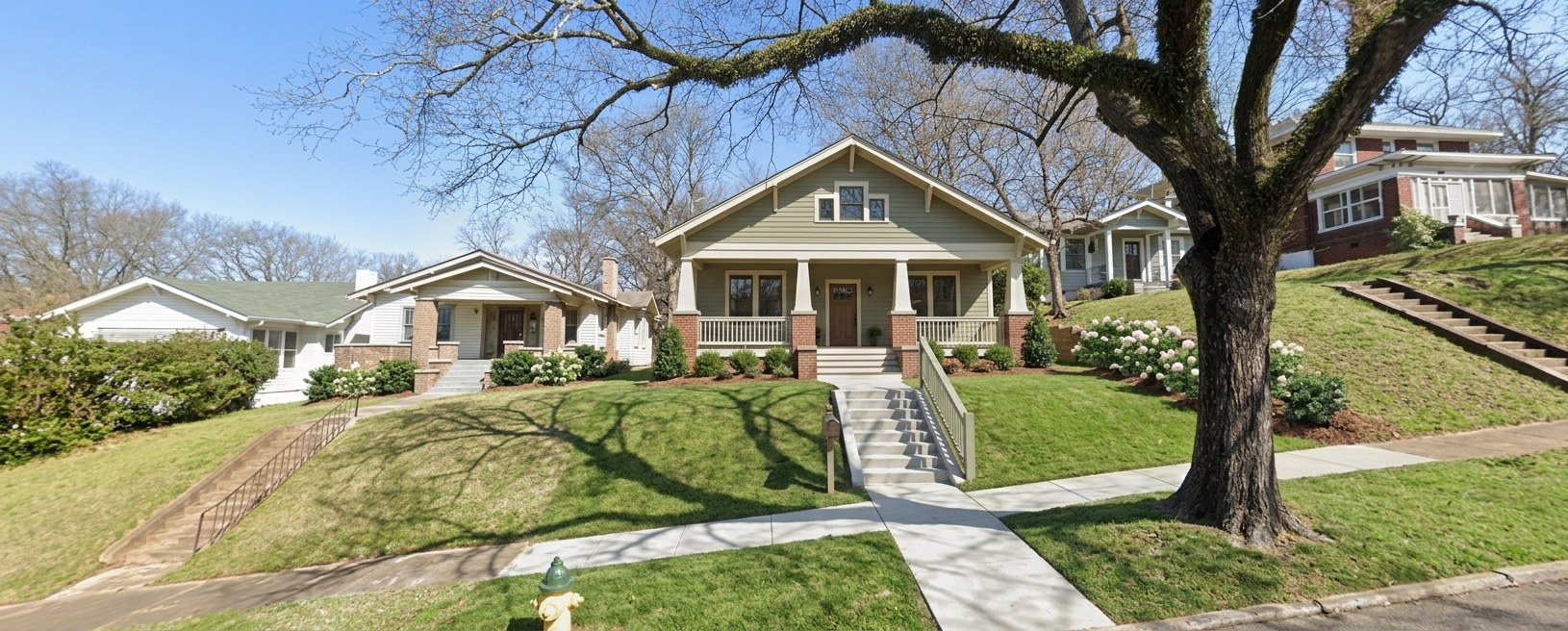
New homes on the vacant lots between the homes that never left — small buildings, built steadily, by builders from these blocks — so the neighborhood fills back in without being torn down and started over.

About Our Infill Development Initiative

The Northside does not need to become something else to come back. The streets, the grid, the water and sewer lines, and the walkable blocks are already here and already paid for — what the neighborhood lost is houses, not form. Infill development puts homes back on the vacant lots one and two at a time: a house, a backyard cottage, a duplex, a small cottage court — the same increments these blocks were built in the first time. It is the supply side of our housing strategy, and it is designed to be done by the people who live here.

The Neighborhood Is Already Built

Every vacant lot on the Northside sits on a street that exists, beside water and sewer lines that exist, inside a walkable grid laid out a century ago. A new house here needs no new road, no new pipe, no new anything from the city — the infrastructure is bought and paid for, and every empty lot is infrastructure the public maintains with no home paying it back.

The numbers bear that out. Value-per-acre analyses run on hundreds of American cities consistently find that older, compact neighborhoods like ours produce more taxable value per acre than newer development at the edge of town — even when they are written off as declining. The Northside’s problem was never its bones. It is vacancy inside a good pattern, and vacancy is fixable one lot at a time. [Value-per-acre analysis of the Northside footprint to be published.]

“If you give a hungry man food, he will eat it. If you give him land, he will grow his own food.”Fannie Lou Hamer

Where You Live Shapes How You Live

The Northside was laid out before the automobile, so it was built at the scale of a person: short blocks, sidewalks, houses close to the street, and corner lots that held a store, a barber shop, a church. That pattern — homes and everyday destinations mixed together, close enough to walk — is not nostalgia. It is the most practical housing feature there is. On a block like that, an errand does not require a car, a child can walk to school, an elder who no longer drives keeps her independence, and a working family that can drop a second car gives itself a raise without asking anyone’s permission.

A walkable, mixed-use block also does quiet work on the people who live on it. Daily trips on foot build health into ordinary life without a gym membership. Porches, sidewalks, and storefronts produce the small, repeated, unplanned encounters that turn strangers into neighbors — and a block where neighbors know each other watches out for itself. A corner storefront keeps dollars circulating on the block and hands a neighborhood business its first rung. Where you live sets your defaults: the shape of the streets decides whether the healthy choice, the social choice, and the thrifty choice are the easy ones.

The Northside still has the bones of that life — the grid, the sidewalks, the corner commercial buildings waiting on tenants. Infill puts the homes back; our 3rd Places initiative works the other half of the same conviction, returning the everyday destinations those homes can walk to.
One Lot at a Time, Not All at Once

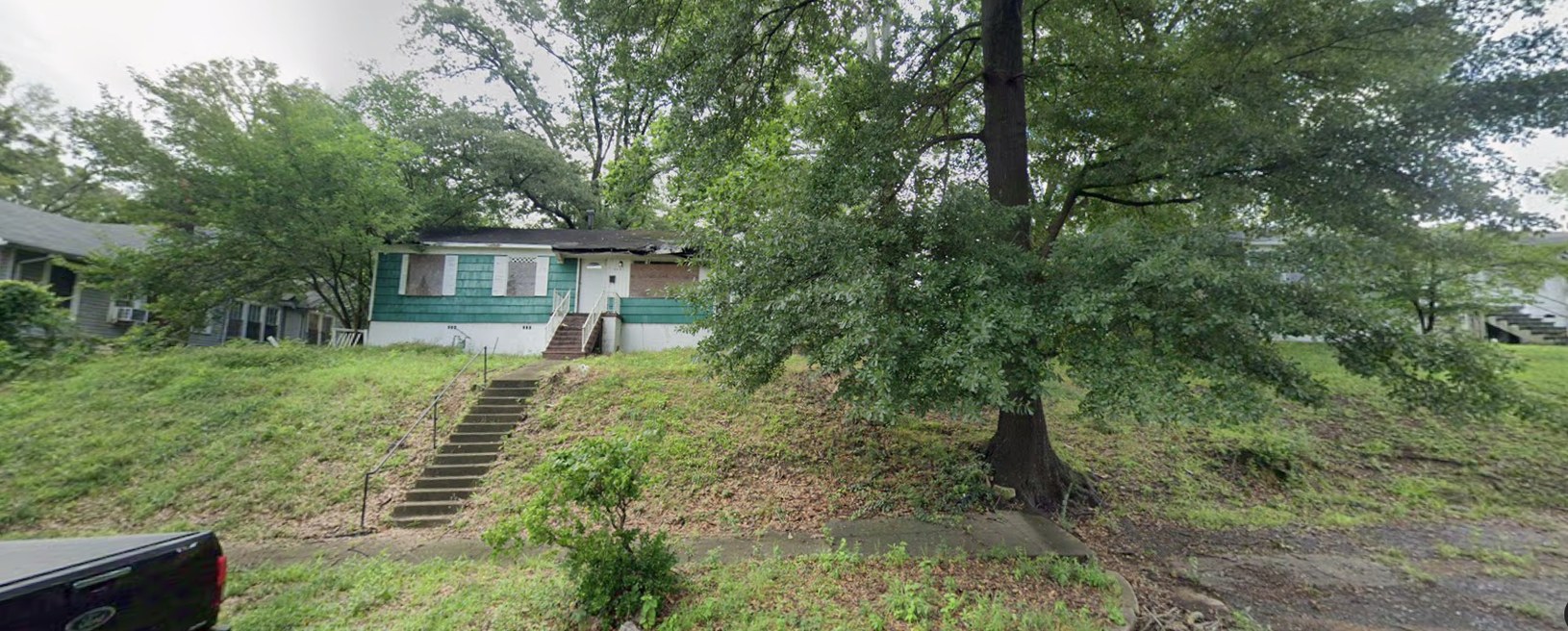
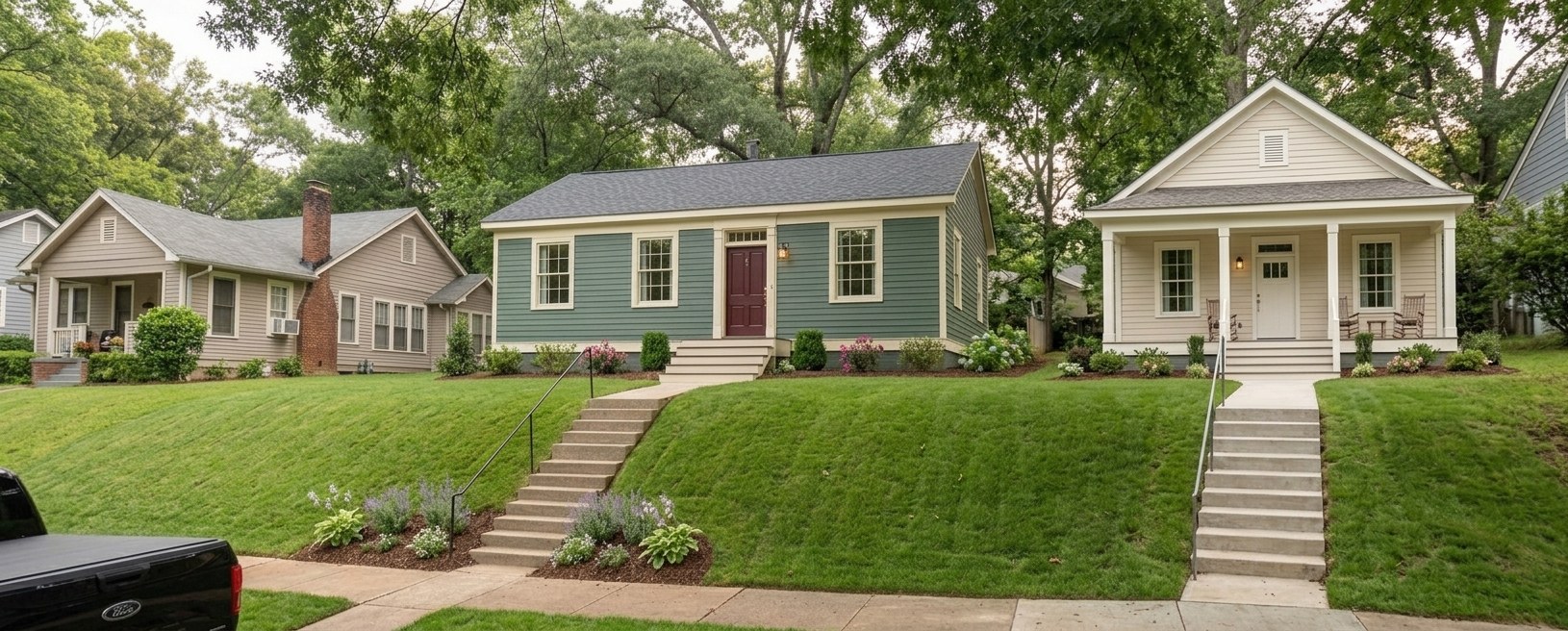
These neighborhoods have seen what wholesale redevelopment does — highways, clearance, promises. This initiative is built on the opposite conviction: every block should be free to change, and no block should ever be changed beyond recognition.

In practice that means the next step for any lot is one notch up from what surrounds it. A vacant lot gets a house. A house gets a backyard cottage. A large house becomes a duplex. Three or four assembled lots become a cottage court around a shared green. Nothing towers over a block; nothing erases one. Hundreds of small projects, each one survivable if it stumbles, add up to a rebuilt neighborhood — without a single family displaced to make room for it.

Repair Is the First Increment

The cheapest home to add to the Northside is the one already standing. Before a single new foundation is poured, the highest-return development work on any block is keeping the occupied houses occupied — the roof, the wiring, the plumbing, the heat. That is why our Critical Repair Program work is not charity adjacent to this initiative; it is step one of it.

Repair protects the families who stayed, keeps the block’s fabric intact for the infill that follows, and — not incidentally — trains the local crews who will build the new homes next door.

A Pattern Book for Northside Lots

Most of our vacant lots are narrow — platted for the shotgun houses and bungalows that once stood on them. Designing a new house from scratch for a lot like that costs more than the lot does, so we are assembling a pattern book: a small set of permit-ready plans — narrow-lot houses, a duplex, a backyard cottage, a cottage court — drawn from the neighborhood’s own architecture, priced for its budgets, and free to anyone building inside the footprint. [Pattern book scope and design partners to be announced.]

This is a proven tool, not an experiment. South Bend, Indiana publishes a free catalog of pre-approved house plans for exactly this kind of lot. In Chattanooga, a neighborhood nonprofit paired a reusable set of small-building designs with roughly fifty scattered vacant parcels and built more than two hundred homes in two disinvested neighborhoods — work that has since drawn national recognition. The Northside has the same lots and better bones.

Backyard Cottages

A backyard cottage — a small second home on a lot someone already owns — is the gentlest housing a neighborhood can add, and for a legacy homeowner it is a pension: rental income from land they have held for decades, or a home that keeps a parent or a grown child on the block. The land is already theirs; a garage conversion is often the most affordable path of all.

Birmingham is writing its accessory dwelling unit ordinance right now — the city held community meetings across town in the summer of 2026. The experience of cities that legalized these homes is unambiguous about which rules produce them and which quietly kill them, and we advocate for the rules that work: approval by right, no added parking requirement, and fees that do not bury the math. [Northside Initiative’s formal comments on the draft ordinance to be published when a draft exists.]

Growing Our Own Builders

The neighborhoods that rebuilt this way were not rebuilt by outside developers. They were rebuilt by a swarm of small ones — local people doing one to four units at a time, close to home, project after project. Before the Depression that was a normal occupation, and the tradespeople of these blocks — the electricians, the plumbers, the carpenters — are exactly the people best positioned to take it up again, because they can build with their own hands what others have to hire out.

So this initiative grows builders alongside buildings: a training cohort for neighborhood residents who want to take on their first small project, working with the national practitioners who teach this craft; help navigating the Birmingham Land Bank Authority’s inventory of clear-title lots and houses inside the footprint; and the trade skills pipeline of our ARC Workforce Academy feeding it. [Cohort structure, schedule, and training partners to be announced.]

Our Other Initiatives

Critical Repair Program

Health-and-safety repairs — roofing, electrical, plumbing, heating and cooling, structural — that keep a legacy homeowner in the house they already own, instead of losing it one leak at a time.

Learn More
ARC Workforce Academy

A registered apprenticeship building electricians and mechanical tradespeople from these blocks — paid on-the-job training instead of tuition debt, and a career at the end of it.

Learn More
3rd Places

The everyday gathering places between home and work — storefronts, fellowship halls, corner groceries — restored across seven neighborhoods, anchored by the district at 12th Avenue North and Carraway Boulevard.

Learn More
Community Investment

Small-business financing for Northside residents — so the investment coming to these blocks is owned by the people who live on them.

Learn More

A roof patched, a lot cleared, a child read to — on the Northside, each one starts with someone who showed up.

Volunteer with Northside Initiative

Come work a Saturday. Homeowner repair crews, vacant lot clean-ups, and tutoring all run on volunteer hours.

Volunteer Today
Stand with the Northside

Congregations, businesses, and organizations carry this plan together. If yours wants a lane, there is one open.

Partner With Us