Community Investment

Putting capital within reach of the neighborhood’s own

Small-business financing for Northside residents — so the investment coming to these blocks is owned by the people who live on them.

About Community Investment

More than a billion dollars of investment is arriving around these seven neighborhoods — venues, campuses, corporate expansion — and nearly all of it from the outside in. This initiative exists to answer the other question: who will own the businesses on the blocks themselves? We put small-business capital within reach of the people who already live here — walking neighbors to the lenders that already exist, training first-time owners before they borrow, opening the low-cost first rungs from market stall to storefront, and standing with the merchants who never left — so the Northside’s revival is counted in owners, not just dollars.

“Cast down your bucket where you are.”Booker T. Washington, Atlanta, 1895

Storefronts Worth Owning

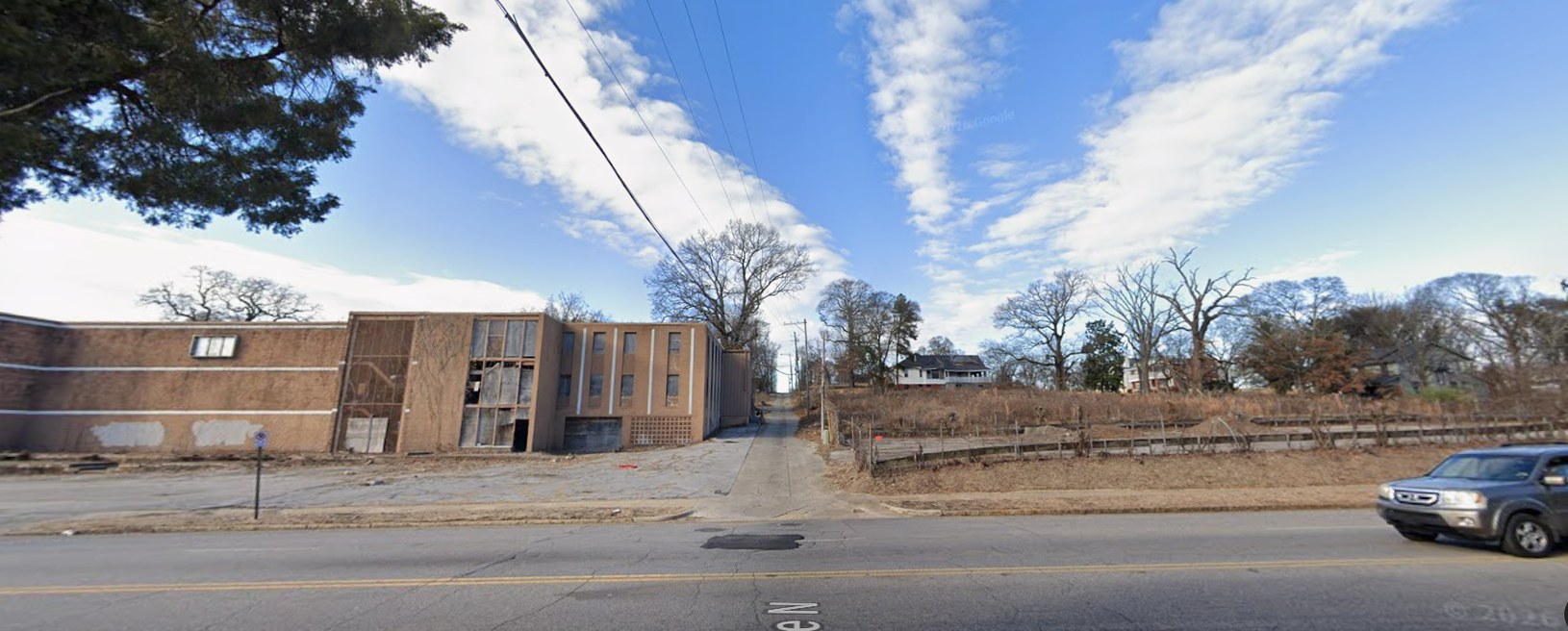
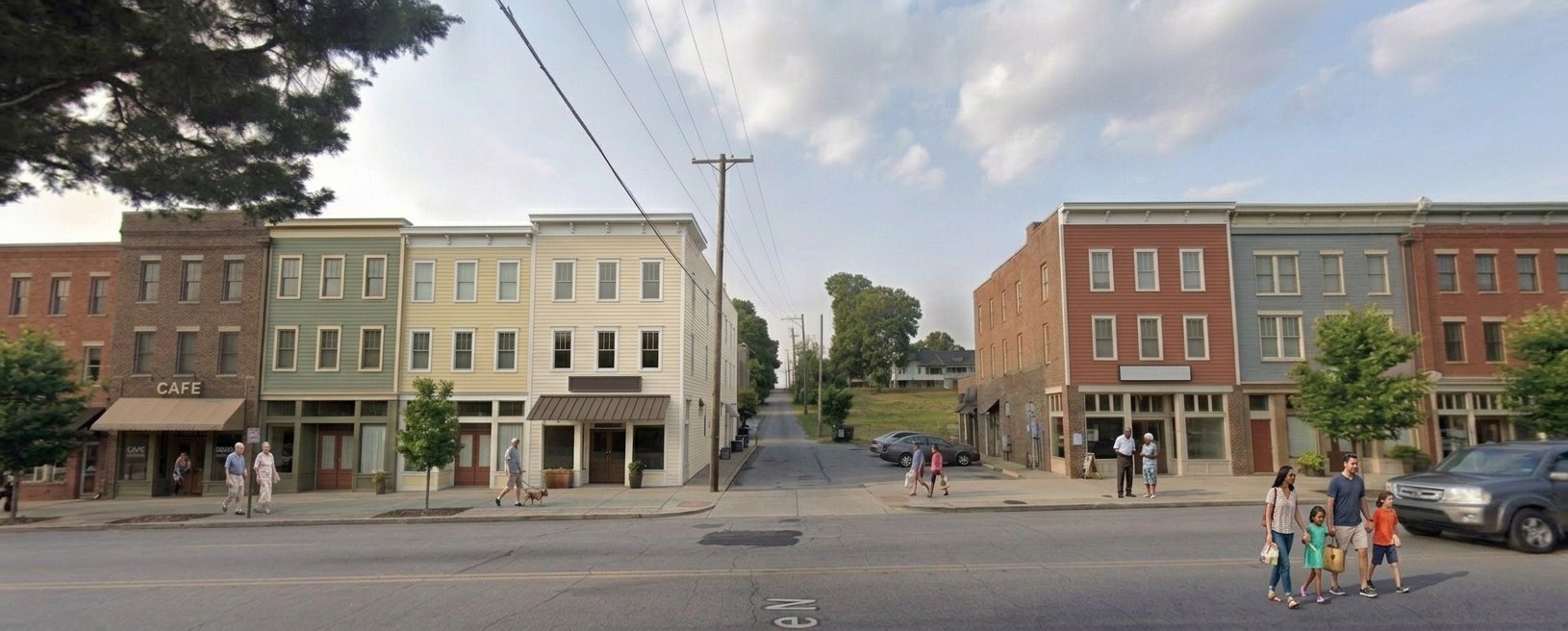
A real corner inside the footprint — an empty commercial building and the vacant land beside it. Drag the slider to see the same corner as a row of locally owned storefronts with apartments above.

Before: a vacant Northside commercial building restored as mixed-use storefronts with apartments above
After: a vacant Northside commercial building restored as mixed-use storefronts with apartments above
↔
TODAYWHAT IT COULD BE

The “before” image is a real street view from inside the footprint; the “after” is a concept rendering to spark conversation — not a funded plan. Real projects follow community input and the City’s planning process.

Ownership Is the Measure

A neighborhood can fill with investment and still end up owning none of it. The Northside has watched that movie before — and the sequel is filming now, with hundreds of millions of dollars rising along the footprint’s edges. We are glad for every crane. But the measure of renewal we answer to is different: how many businesses on these blocks are owned by people who live on them — the barber, the electrician, the cook, the shopkeeper, the childcare provider whose commute is a walk and whose profit stays in the neighborhood.

Local ownership matters because of what a dollar does after it is spent. Paid to a business owned far away, a dollar leaves the neighborhood the moment the register closes — off to a headquarters, a distant supplier, a shareholder who will never walk these blocks. Paid to a neighbor, the same dollar goes back to work here: the owner hires from the block, buys from the shop two doors down, pays a local bookkeeper and a local sign painter, sponsors the youth team, and spends her own profit at the church bazaar and the corner store — where it changes hands and does it all again. Studies of city economies find that money spent with locally owned businesses recirculates in the community at several times the rate of money spent with outside chains, and every extra turn is another wage paid, another rent covered, another family steadied — without a single new dollar crossing the neighborhood line. A community with few dollars cannot afford to spend them once; ownership is how a neighborhood gets to spend the same dollar five times.

History says this is not a new idea here so much as a recovered one. These neighborhoods once ran their own groceries, bakeries, theaters, florists, and repair shops — names and corners we can still point to. The buildings that survived are waiting. So are the owners.

“Action, self-reliance, the vision of self and the future have been the only means by which the oppressed have seen and realized the light of their own freedom.”Marcus Garvey
The Money Exists. The Front Door Doesn’t.

Here is the surprise in our research: Birmingham already has community lenders whose whole mission is lending to people banks turn away. Between them they cover the entire climb — credit-builder loans of a few hundred dollars for a first-time borrower with no credit history, microloans in the thousands, working-capital loans built for contractors waiting on a check, and small-business loans up to a quarter million dollars — some at rates a bank would envy, several backed quietly by state and federal credit programs. A turndown at a bank branch is not the end of the road here; some banks will even hand a declined applicant to a community lender who can say yes.

What is missing is not money. It is that none of these doors is in our neighborhoods, most residents have never heard one named, and nobody’s job is to walk a Northside founder from an idea to the right desk. That is the job this initiative takes: one conversation that hears the idea, checks it against every lender and program at once, helps assemble the paperwork, and stays with the founder to a yes. [Referral partnerships with Birmingham’s community lenders to be confirmed.]

Training Before Capital

Every city that has successfully seeded resident-owned businesses in a disinvested neighborhood — and we studied a dozen — agrees on the order of operations: the class comes before the loan. A twelve-to-fifteen-week course, taught at night by people who look like the room, where a founder prices the product, builds the books, meets the licenses, and graduates with a plan a lender can read — followed by coaching that continues long after the doors open. The programs that led with cash instead learned the hard way; the ones that led with training report their graduates still in business at rates the national numbers say are impossible.

Birmingham already runs good courses of exactly this kind — downtown, on weeknights, for tuition that is modest but real. Our part starts simply: sponsor Northside residents into the seats that already exist. Then bring the classroom here — a full cohort hosted in a partner congregation’s fellowship hall, the first church-anchored business course in the city, in the neighborhood, childcare down the hall. [Curriculum partner and first cohort to be announced.]

The First Rung Costs Ten Dollars

Not every business starts with a loan. Inside our own footprint, at the great produce market on Finley Avenue, an outdoor vendor table still rents for about ten dollars a day — first come, first served, setup at dawn. Alabama’s home-food law lets a resident bake and sell from her own kitchen, online included, with a food-safety course and a label. A card table at a church bazaar, a booth at a pop-up market, a food truck, a shared commercial kitchen, a small storefront: that is the ladder, and each rung is real practice for the next one.

Our job is to keep every rung within reach — publish the ladder so neighbors can see it whole, run pop-up markets in the district at 12th and Carraway as our 3rd Places work brings its corners back, and help the vendor who outgrows the table into the storefront that outgrew its vacancy. The goal is a district where a business can be born at ten dollars a day and grow up without ever leaving the neighborhood.

Keep the Merchants We Have

The cheapest business to have on the strip in five years is the one that is there now. The Northside still has merchants who never left — restaurants that have fed the whole city for seventy years, shops that held their corners through everything — and every city we studied learned the same lesson: it costs far less to keep an existing business alive through a hard season than to raise a new one from scratch. Philadelphia pairs storefront-improvement grants with a 170-year-old merchants’ fund that makes small emergency grants when a fire, a break-in, or a bad winter would otherwise end a business; Memphis offers small forgivable loans for signage and storefront repair that are forgiven year by year as the business stays put.

We intend both tools for our two historic strips — the district at 12th and Carraway and the storefront row on 27th Street in North Birmingham: modest stabilization grants for the merchants holding on, and forgivable storefront help that rewards staying. The City of Birmingham already offers forgivable façade loans for dilapidated commercial buildings; part of our work is simply making sure our corridors claim their share. [Corridor fund to be capitalized; city program eligibility to be confirmed.]

A Neighborhood Fund, Built the Slow Way

The long-term ambition is a Northside community fund — neighborhood capital, governed with neighborhood voices, lending small and patiently to the neighborhood’s own. We know the road because other cities have walked it. In Macon, Georgia, a downtown-revival nonprofit spent years restoring buildings and training first-time owners before it ever lent a dollar; today its community fund makes most of its loans to first-time entrepreneurs, and the share of downtown businesses owned by hometown, first-time owners has climbed by more than half in five years. The order mattered: train the borrowers, start small with patient charitable capital, prove the repayments, and let the banks join once the track record exists.

We will build in that order and say so plainly: first the navigation, the cohorts, and the corridor grants; then small loans; then, when the record has earned it, the institutions. And from the first dollar we will publish the numbers that matter — owners trained, businesses opened, businesses still open years later — because the cities that measured in the open are the ones that got to keep going.

“It is at the bottom of life we must begin, and not at the top.”Booker T. Washington

Our Other Initiatives

Infill Development

New homes on the vacant lots between the homes that never left — small buildings, built steadily, by builders from these blocks — so the neighborhood fills back in without being torn down and started over.

Learn More
Critical Repair Program

Health-and-safety repairs — roofing, electrical, plumbing, heating and cooling, structural — that keep a legacy homeowner in the house they already own, instead of losing it one leak at a time.

Learn More
ARC Workforce Academy

A registered apprenticeship building electricians and mechanical tradespeople from these blocks — paid on-the-job training instead of tuition debt, and a career at the end of it.

Learn More
3rd Places

The everyday gathering places between home and work — storefronts, fellowship halls, corner groceries — restored across seven neighborhoods, anchored by the district at 12th Avenue North and Carraway Boulevard.

Learn More

A roof patched, a lot cleared, a child read to — on the Northside, each one starts with someone who showed up.

Volunteer with Northside Initiative

Come work a Saturday. Homeowner repair crews, vacant lot clean-ups, and tutoring all run on volunteer hours.

Volunteer Today
Stand with the Northside

Congregations, businesses, and organizations carry this plan together. If yours wants a lane, there is one open.

Partner With Us